In March this year, one of our long-standing crypto clients, whom we have worked with since 2017, received a formal audit notification from Inland Revenue. The focus was on their 2024 income tax return, payroll, and non-resident withholding tax. This was a landmark moment, the first cryptocurrency audit we have seen across our client base.
The audit process was thorough and professional. After several months of review, interviews, and detailed checks of records, the final outcome was clear: no adjustments were needed. Inland Revenue confirmed that our client’s tax affairs were 100% compliant.
While this is a fantastic result, it offers a glimpse into the future of cryptocurrency tax compliance in New Zealand and it sends a strong message to investors and businesses operating in the crypto space.
The Audit Process: A Deep Dive
The audit started with a formal notification letter.
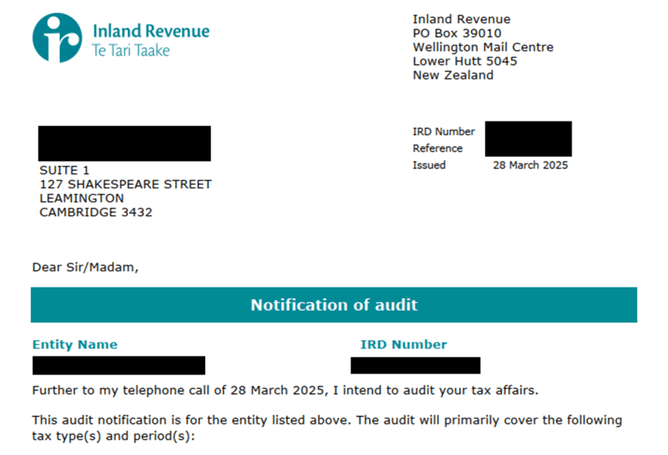
Inland Revenue requested extensive documentation, including:
Full financial statements and tax reconciliations
Line-by-line crypto transaction records across all wallets and exchanges (both NZ and overseas)
Historical details of when trading began for each crypto asset
Wallet addresses, exchange accounts, and year-end balances
In this case, we prepare quarterly reports and reconciliations for our client and were comfortable with the numbers, the tax position, but with IRD, you’re always never sure exactly what they’re looking for.
From there, they scheduled interviews with both the directors and us as their tax agent responsible for preparing the tax returns. Inland Revenue’s objective was to fully understand the business operations, accounting methods, and tax reporting process before drilling into the numbers.
Over several months, they reviewed every aspect of the client’s crypto activity. This included:
Crypto Trading Records: Verifying every single buy, sell, transfer, and staking transaction.
Company Structure: Examining the shift from individual to corporate ownership and how it was handled for tax purposes.
Profit vs Loss Positioning: Scrutinising how a business could move from paying seven figures in tax during boom years to showing a loss during a crypto market downturn.
The process was methodical and took several months to complete. The IRD officer was clear about expectations, provided regular updates, and worked collaboratively throughout.
The Final Outcome: A Clean Bill of Health
On 21 August 2025, Inland Revenue issued their final letter: “Our audit is now complete. No adjustments are needed.”
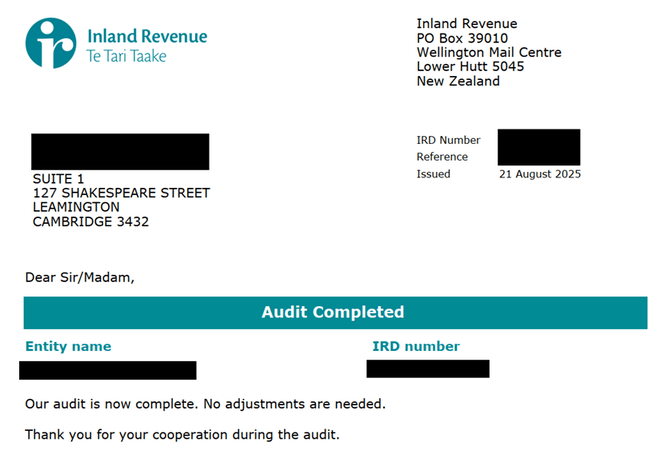
This outcome was not just a relief for our client, it was a validation of the meticulous processes we have built over the last eight years. Our Crypto Tax Sorted methodology, which covers every wallet, every token, and every transaction, passed its first official test under audit conditions.
The client can now move forward with complete confidence knowing their affairs are watertight. And we now have a proven, audited framework that gives our entire crypto client base additional reassurance.
Why Was This Client Selected?
Inland Revenue never discloses exactly why a taxpayer is selected for audit. However, in this case, there were a few possible triggers:
Portfolio Size: The client has a significant crypto portfolio, with substantial gains in prior years.
Restructuring: They moved from trading as an individual to a company structure, which often attracts additional scrutiny (there were strong commercial reasons for the restructuring).
Volatility in Returns: In previous years they paid seven figures in tax, but during the market downturn, they reported a loss. This kind of swing naturally raises flags.
It is worth noting that Inland Revenue now has sophisticated tools to monitor crypto activity. They receive information from New Zealand exchanges and have global data-sharing agreements with tax authorities overseas. This means your activity is far more visible than many people realise.
The Bigger Picture: What This Means for Crypto Investors
For compliant taxpayers, this case study provides peace of mind. Inland Revenue’s approach was fair, professional, and focused on understanding the facts. If your records are complete and your reporting is accurate, there is nothing to fear from an audit.
However, there is a stark warning here for those who are non-compliant:
Inland Revenue now has a tested process for auditing crypto transactions.
They have confirmed they are willing to request wallet addresses, line-by-line data, and full exchange histories.
They will expect you to provide evidence for every movement of crypto assets.
If you have been trading crypto without proper records, or if you have filed incomplete or incorrect returns, the risk of being caught is growing rapidly. When an audit happens, there is no room for guesswork. Without solid records, you face potential penalties of up to 150% of the tax shortfall and in serious cases, prosecution.
Our Advice: Get Ahead of the Curve
If you are not sure your crypto tax reporting is watertight, now is the time to act. Waiting until Inland Revenue knocks on your door is a recipe for stress, penalties, and unnecessary costs.
Here’s what we recommend:
Review Your Past Returns: Make sure every wallet and exchange has been included, and reconcile all historical transactions.
Gather Your Records: Keep detailed, line-by-line transaction data. Spreadsheets and screenshots are not enough.
Consider a Voluntary Disclosure: If you know something is wrong, it is far better to tell Inland Revenue before they come to you. Voluntary disclosures can reduce penalties by up to 100%.
Work With Experts: Crypto tax is complex. This audit proved the value of working with specialists who understand both crypto and NZ tax law.
Conclusion: A Watershed Moment
This case marks an important milestone. Inland Revenue has now completed its first full cryptocurrency audit of a client and it ended with a perfect result.
For us, it is a validation of the systems and processes we have built since 2017. For our clients, it is reassurance that when you do things right, even the highest level of scrutiny will confirm your position.
But for those still in the shadows, this is a clear signal: the era of crypto tax secrecy is over. Inland Revenue has the tools, the data, and now the experience to ensure compliance.
If you need help getting your crypto tax affairs in order, do not wait. Get ahead of the curve before the audit letter arrives
Are you ACTUALLY crypto tax compliant?
70% of crypto holders are not tax compliant.
They're risking massive tax penalties — potentially losing hundreds of thousands in fines, fees, and audit nightmares.
12 questions | 2 mins | PDF report directly to your inbox.
Find out now
Contact Us
Contact Tim Doyle for a call or meeting to discuss any cryptocurrency tax or accounting questions. Our office is in Cambridge, Waikato, or we can arrange a video conference call.
This material has been prepared for informational purposes only, and is not intended to provide, and should not be relied on for, tax, legal or accounting advice. You should consult your own tax, legal and accounting advisors before engaging in any transaction.